
 Get a Quote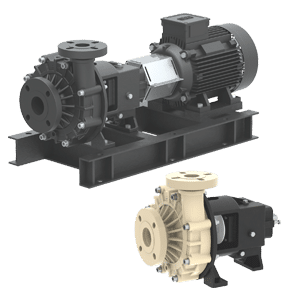
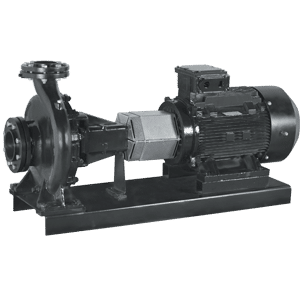
Chemical Process Pumps - Non Metallic
Product Details:
- Flow Rate Up to 80 m/hr
- Theory Centrifugal Pump
- Material Polypropylene, PVDF, UHMWPE (Non Metallic)
- Structure Close coupled/Monoblock type
- Suction Type Self Priming
- Volute Type Single
- Nozzle Location End Suction, Top Discharge
- Click to view more
X
Chemical Process Pumps - Non Metallic Price And Quantity
- 1 , , Piece
Chemical Process Pumps - Non Metallic Product Specifications
- Horizontal
- -10C to 100C
- 25mm to 100mm
- Single
- Chemical handling, Acid transfer, Corrosive liquids, Effluent treatment
- Up to 80 m/hr
- None (Electric)
- Centrifugal Pump
- Self Priming
- Polypropylene, PVDF, UHMWPE (Non Metallic)
- Up to 5 kg/cm2
- End Suction, Top Discharge
- Electric Motor Driven
- up to 2900 rpm
- Close coupled/Monoblock type
- Foot Mounted
- IP55/65 available
- Up to 38 m
- Conforms to DIN/ISO
- Mechanical Seal, Gland Packing optional
- Fully Open, Non-clog
- Low
- Blue/White/Custom
- Flanged
- 1 to 14
- Depends on model, approx. 30-100 kg
- Up to 10 mm
Chemical Process Pumps - Non Metallic Trade Information
- as per oder Per Week
- as per oder Week
Product Description
Chemical Process Pumps - Non-Metallic:
Applications;
Chemical process
Pharmaceutical
Food & Beverage processing
Steel plants
Automobile
Marine/Sea water
Water supply
Booster service
Cooling water
Water treatment/Purification
OEM.
Features:
State-of-the art compact design
Easy and simple install
User-friendly operation
Quiet running
Reliable and robust construction
Back pull-out design which simplifies inspection and maintenance
Rotating parts are dynamically balanced which ensure vibration free performance and enhanced life
High performance hydraulics
TECHNICAL DATA:
Capacity [Q]: 90 M^3 /Hr.
Head [H] upto: 60 Meters
Motor Power [P] upto: 22 KW 30 HP
Viscosity upto: 150 mPas (cP)
Suction lift upto: 8 m (26 ft) with priming chamber*
Maximum Working Pressure: 10 bar (145 psi)
Maximum Specific Gravity [SG]: 1.8 - 3
Minimum Continuous Flow [MCF]: 2.5 m /hr (11 US gpm)
Maximum Temperature: GFRPP: 90C (194F), NORYL : 82C (180F), PVDF: 104C (220F)
Suction & Delivery Connection: PN16, PN25, Class 250, BSP
Shaft Seal: Single (SPB/SPS) & Double (DPS) Mechanical Seals
Bearings Lubrication: Rolling Element Bearings Oil
Motor Compatibility: IE-2 / FLAME PROOF
Operating Frequency 50 Hz. up to up to up to up to up to 150 mPas (cP)
Robust Non-Metallic Construction
Our chemical process pumps are crafted in high-grade Polypropylene, PVDF, and UHMWPE to ensure exceptional resistance to corrosion, even during prolonged exposure to aggressive chemicals and effluents. The non-metallic structure extends pump life and reduces downtime from material degradation, perfect for challenging industrial environments.
Versatile Application and High Performance
Designed for chemical handling, acid transfer, corrosion-prone sites, and effluent management, these pumps efficiently manage flows up to 80 m/hr and heads up to 38 m. The self-priming volute type, low noise, and robust mechanical sealing enhance reliability for continuous operation in demanding settings.
FAQs of Chemical Process Pumps - Non Metallic:
Q: How does the non-metallic construction benefit chemical process pump applications?
A: Non-metallic materials such as Polypropylene, PVDF, and UHMWPE offer superior chemical resistance and durability, preventing corrosion and degradation when handling a wide range of aggressive chemicals and acids.Q: What type of impeller and sealing arrangement is used in these pumps?
A: These pumps use fully open, non-clog impellers suitable for solid handling up to 10 mm, and provide mechanical seals for leakage-free operation, with gland packing available as an optional feature.Q: When is a chemical process pump with self-priming capability most advantageous?
A: Self-priming pumps are especially useful when suction conditions are difficult or when frequent restarting is required, as they eliminate the need for manual priming and reduce operational downtime.Q: Where are these pumps commonly installed and used?
A: They are typically installed in chemical factories, acid transfer stations, effluent treatment plants, and other industrial sites requiring safe handling of corrosive liquids. The foot-mounted design and horizontal shaft orientation facilitate floor-level installation.Q: What is the process for selecting the appropriate model for my application?
A: Assess fluid characteristics, required flow rate (up to 80 m/hr), head (up to 38 m), solid size, temperature, and pH range. Then, choose the pump material, connection type, and nozzle configuration that best suits your unique requirements.Q: Can I customize the pumps color or nozzle location?
A: Yes, these pumps offer customizable color options (blue, white, or others on request) and flexible nozzle locations for end suction and top discharge to match your specific installation needs.Q: What are the main usage benefits of this pump design?
A: The pumps provide highly reliable, efficient chemical transfer, minimal downtime from clogging or corrosion, easy maintenance, and low operational noise. The conformity to DIN/ISO standards ensures global compatibility and safety.Tell us about your requirement

Price:
Quantity
Select Unit
- 50
- 100
- 200
- 250
- 500
- 1000+
Additional detail
Mobile number
Email

Other Products in 'Lubi' category

Contact Details

- 308, Bhaveshwar Arcade, Opposite Shreyas Cinema, L.B.S. Marg, Ghatkopar (West), Mumbai - 400086, Maharashtra, India
- Phone : 08045478396
DYNAMIC PRODUCTS
GST : 27AAHFD0720F1ZX
GST : 27AAHFD0720F1ZX

- Mr Manish Parekh (Partner)
- Mobile : 08045478396
- Mr. Ashit Parekh (Partner)
- Mobile : 08045478396
- Send Inquiry
 Send Inquiry
 Send Inquiry
 Send SMS
DYNAMIC PRODUCTS
All Rights Reserved.(Terms of Use)
Developed and Managed by Infocom Network Private Limited.
Developed and Managed by Infocom Network Private Limited.


